

The challenge of consistency in industrial breading
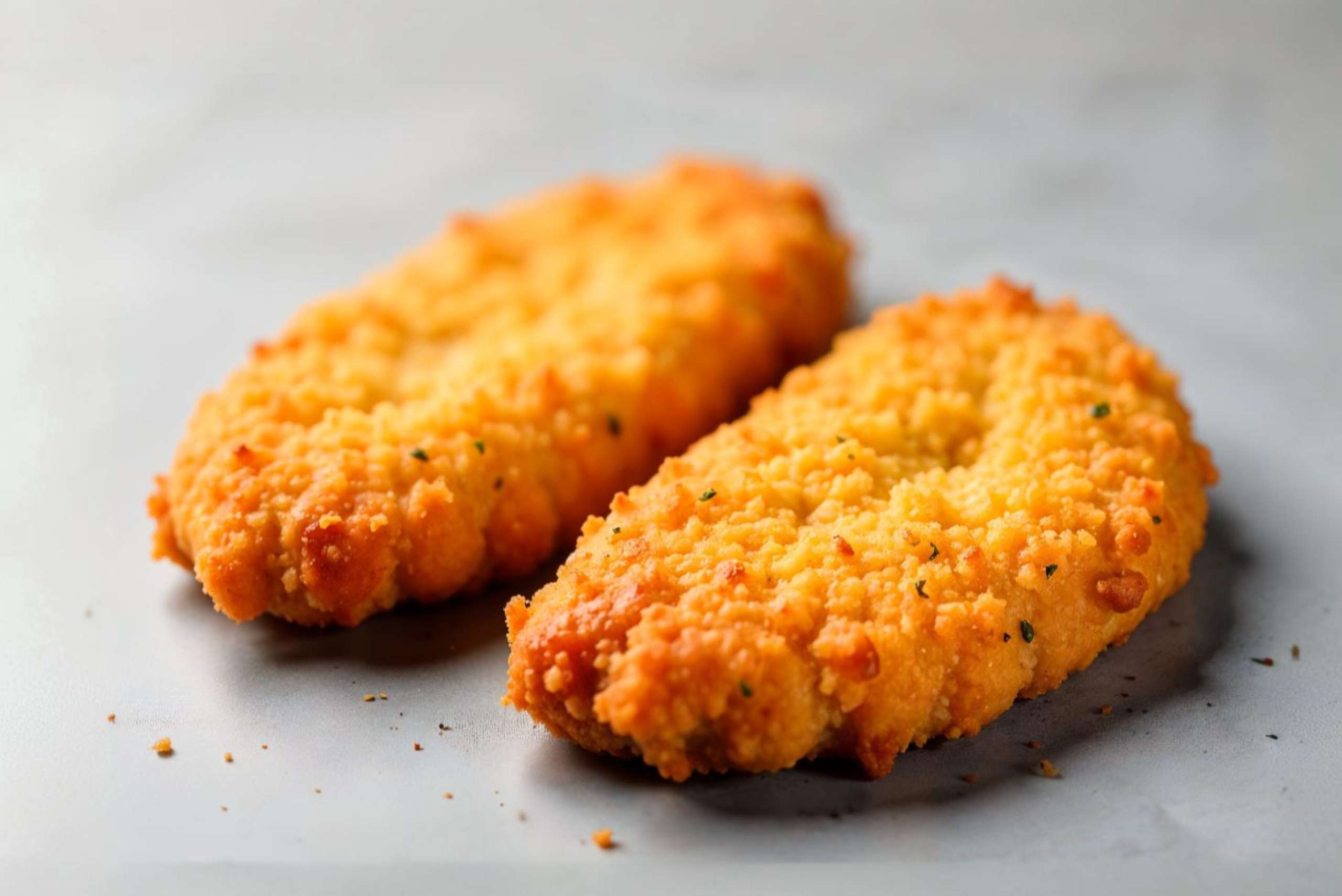
In automated food production environments, one of the greatest challenges is maintaining a homogeneous coating on breaded products. Breading not only adds texture and flavor but also plays a key role in product presentation and preservation. However, when there are coating defects—such as uncovered areas or excessive build-up—the result is a significant decrease in final product quality.
These defects, though seemingly minor, have considerable economic impact. Losses caused by defective products, returns from distributors or retailers, and the potential loss of consumer trust directly affect profitability. Moreover, a brand image associated with inconsistency can harm future sales—especially in markets with high standards and strong competition.
In this context, technology becomes an essential ally. Automated verification systems now enable real-time detection of failures and proactive correction. This is the starting point for what we call “smart breadcrumbing.”
Despite what the term might suggest, smart breadcrumbing is not a new product type but rather a technological approach applied to the breading process. This concept combines the use of sensors, artificial vision, and analytics systems to ensure uniform, high-quality coating.
It involves integration between raw materials, the production process, and real-time verification technology. The goal is to transform breading into a fully controlled phase, where every variable—from crumb size to coating moisture—is monitored and automatically adjusted to achieve an optimal final product.
In-line technologies: artificial vision, sensors, and analysis systems
Modern breading systems incorporate advanced tools capable of autonomously detecting, correcting, and preventing defects. The most commonly used technologies include:
Artificial vision cameras and software
Thanks to high-resolution cameras and image analysis algorithms, it’s possible to detect areas with insufficient or excessive breadcrumb coating in milliseconds. These systems allow:
- Detection of inconsistencies in product surface texture.
- Comparison of each unit against a reference pattern.
- Real-time alerts to trigger automatic adjustments or technical interventions.
Weight and volume sensors
Weight sensors integrated into production lines monitor the coating applied to each unit. If a piece exceeds or falls short of the defined range, the system can:
- Automatically divert it for inspection or rework.
- Adjust the breadcrumb dosage.
- Predict equipment failures or distribution issues.
Additionally, volume sensors help verify the shape of breaded products, which also affects coating adhesion.
Advantages of intelligent control systems
The implementation of advanced technology in the breading phase offers tangible benefits for manufacturers, distributors, and consumers:
- Waste reduction: avoiding poorly breaded products reduces waste and optimizes breadcrumb use.
- Improved product uniformity: increases perceived quality and ensures a more satisfying customer experience.
- Real-time monitoring: enables adjustments without production stoppage, enhancing efficiency and minimizing downtime.
- Predictive maintenance: analyzing failure patterns allows early detection of mechanical issues before they disrupt operations.
These benefits impact not only product quality but also profitability and industrial sustainability.
In this new era of smart production, the role of the breadcrumb manufacturer goes far beyond supplying raw ingredients. Collaboration between supplier and industry becomes strategic, especially in automated lines where every variable influences the outcome.
This adaptability makes the breadcrumb manufacturer a key partner in improving overall system performance—not just a basic ingredients provider.
Moreover, working with a supplier who understands the challenges of automation enables better joint product development and a more agile response to market needs.
Looking ahead
The evolution toward smart breading systems represents a natural step toward a more precise, efficient, and sustainable food industry. The combination of technologies like artificial vision, data analysis, and sensorization not only improves product quality but also reduces environmental impact and associated costs.
In this scenario, close collaboration between ingredient suppliers, machinery manufacturers, and R&D teams becomes a true competitive advantage. Those able to align these three elements will be better positioned to face the food industry’s challenges in the years to come.
If you’re looking for a custom food development solution, contact us and we’ll get started on your personalized blend.
Leave A Comment