

Food development of breaded chicken in the Middle East has become one of the main growth drivers for the international food industry. This is not a generic trend: the region presents unique cultural, regulatory, climatic, and consumption conditions that are driving specific demand for breaded products adapted to its context.
For manufacturers, ingredient developers, and brands operating across retail, foodservice, and QSR, understanding these specificities is essential to design competitive, scalable, and sustainable food development strategies.
A structurally favorable market for food development
The Middle East positions chicken as the core protein within its dietary matrix due to:
- Compatibility with Halal regulations
- Affordable pricing compared to other meats
- Culinary versatility
- Strong fit with fast food formats
The regional poultry market exceeded USD 15.9 billion in 2024, with chicken accounting for nearly 70% of total poultry consumption. Growth is particularly concentrated in:
- Frozen breaded chicken
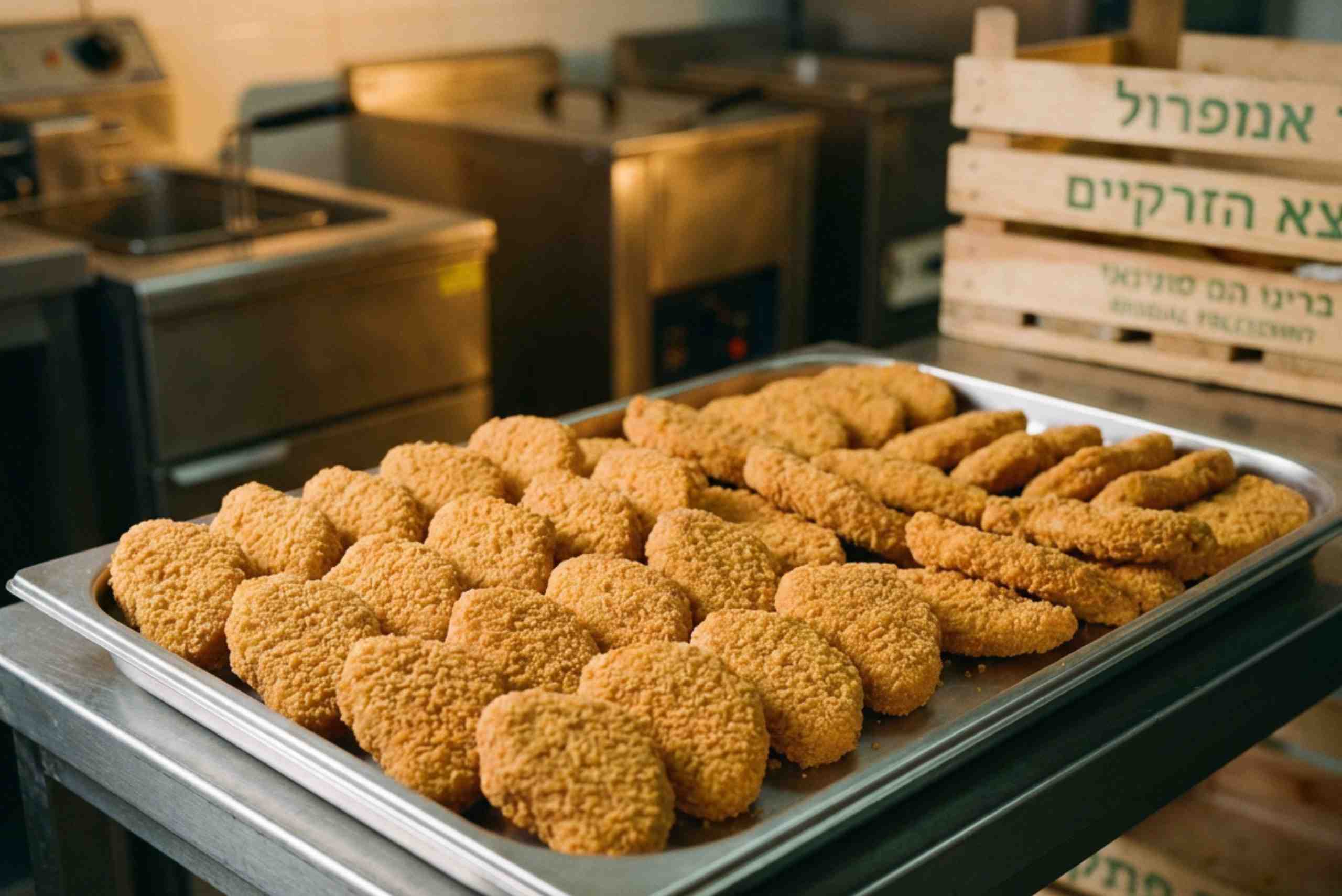
- Breaded nuggets and strips
- Crispy fillets ready for oven cooking
- Precooked products
The shift toward these formats makes breading a critical lever in food development across the region.
Fast food as a catalyst for food development
The fast food market in the Middle East surpassed USD 54 billion and is expected to grow beyond USD 85 billion by 2034. In this context:
- Chicken dominates menus
- Breaded formats are the most in demand
- They represent between 25% and 40% of urban sales
- QSR chains seek products that are stable, replicable, and differentiable
This forces food development teams to formulate breading systems that maintain crispiness, color, and adhesion after 20–40 minutes of delivery in hot climates.
Consumer trends redefining food development
1. Structural preference for chicken
Chicken is culturally accepted, Halal by definition, and the ideal vehicle for innovation in food development applied to breaded products.
2. Technical impact on food development
Priority is given to breading systems that:
- Do not soften due to steam
- Maintain structure during transport
- Retain texture after reheating
- Prevent coating detachment
This has driven the development of multilayer coating systems with improved crisp retention.
3. Sensory experience as the core of food development
Consumers place high value on:
- Highly crispy textures
- Medium-to-coarse crumb granulometry
- Intense golden to orange hues
- Spiced flavor profiles (paprika, garlic, cumin, mild chili)
Food development must create differentiated sensory impact, not merely fulfill a technical function.
Specific technical challenges for food development in the Middle East
Oil absorption and new cooking methods
The coexistence of traditional frying with oven and airfryer cooking requires food development to design breading systems that:
- Avoid excessive oil absorption
- Activate crispiness without frying
- Maintain internal structure
Stability in hot climates
Temperatures above 40°C affect:
- Shelf life
- Microbiological stability
- Coating integrity
- The logistics chain
This forces food development to strengthen moisture barriers and use less hygroscopic coatings.
Regulatory and Halal constraints in food development
Food development is conditioned by:
- Mandatory Halal certification
- Control of enzymes and additives
- Process segregation
- Full ingredient traceability
These factors directly impact the design of breadcrumbs, predusts, and binders.
Real opportunities in food development
Innovation in sensory coatings within food development
Differentiation through:
- Granulometries designed for extended crispiness
- Bread blends with regional flavor profiles
- Attractive colors without intensive additives
- Coatings that retain texture over time
Channel-based segmentation as a food development strategy
- QSR: high repeatability and stability
- Frozen retail: long shelf life
- Urban premium: sensory differentiation
- Local markets: integration of regional spices
Each channel requires specific technical approaches within food development, supported by pilot trials and sensory validation.
Why breaded chicken food development matters in the Middle East
The Middle East concentrates a unique combination of:
- Growing demand for poultry protein
- Expansion of foodservice
- Highly demanding sensory preferences
- Clear regulatory and cultural requirements
This makes breaded chicken a strategic axis for differentiation and growth within food development.
Investing in food development adapted to this region enables the creation of products that are not only mass-produced, but also preferentially consumed and capable of generating long-term loyalty.
Leave A Comment