

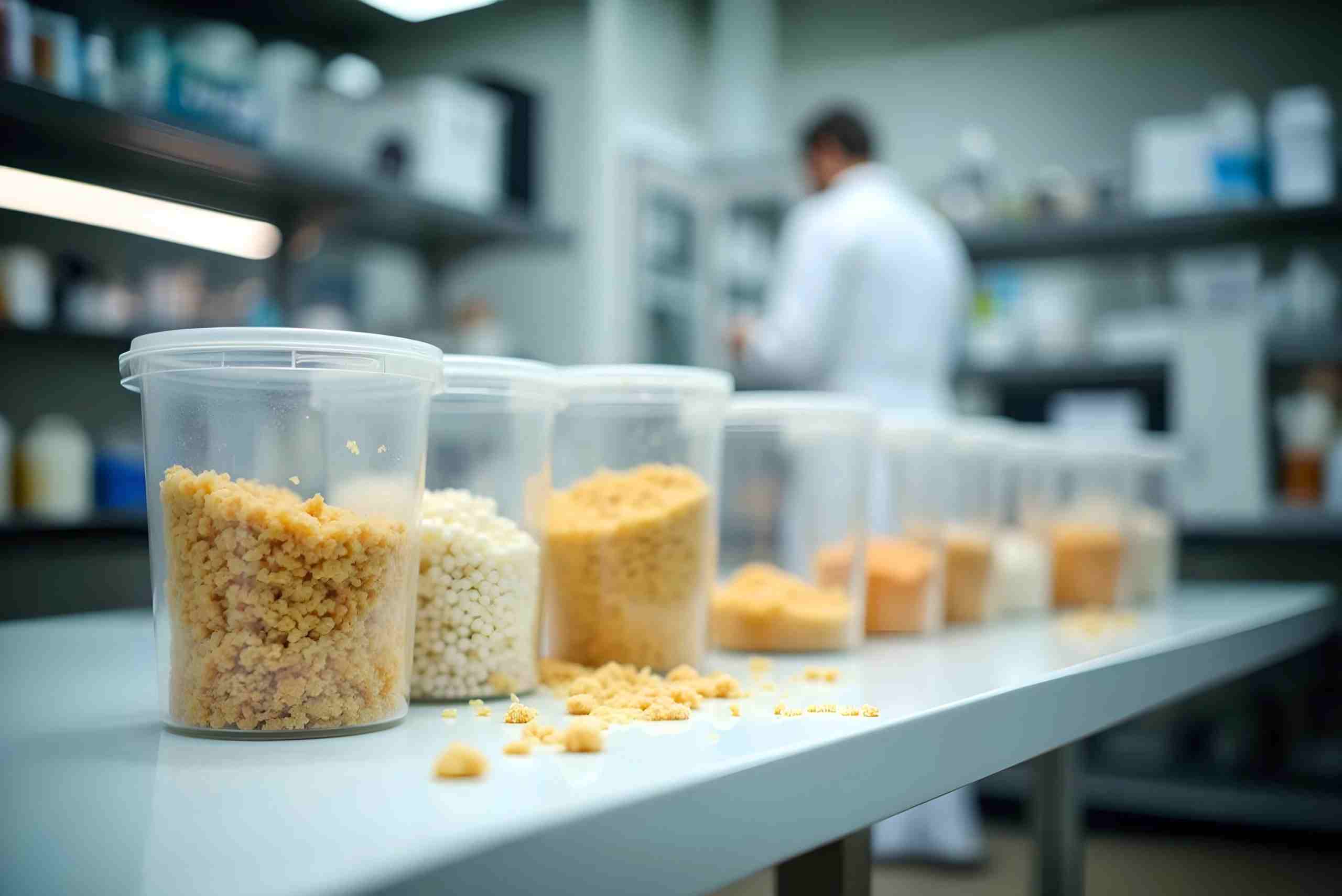
The food industry is constantly evolving, driven by the demand for healthier, more sustainable, and functional products. In this context, investment in Research and Development (R&D) and innovation (I) has become a key factor in the creation of innovative food developments.
B2B companies in the food sector must strongly commit to innovation to stand out in a highly competitive market. But how does R&D influence the development of new products? What trends and technologies are revolutionizing the industry? In this article, we explore the fundamental role of R&D in food innovation and its impact on the value chain.
The importance of R&D in food developments
Research and development are essential for any food industry company aiming to remain competitive. This investment enables the creation of food products with new functional properties, enhances product safety, and increases production efficiency, among other benefits. Some of the main advantages of implementing R&D&I departments in companies include:
- Creating Differentiated Products: Developing foods with new organoleptic, functional, or nutritional characteristics.
- Enhancing Food Safety: Implementing technologies that reduce microbiological risks and/or allergens.
- Optimizing Production Processes: Introducing techniques that lower costs and increase efficiency.
- Compliance with Regulations and Standards: Adapting products to meet quality and safety requirements.
- Quick Adaptation to Market Trends and Consumer Needs: Developing healthy, sustainable, and personalized options precisely when the market demands them.
In our case, the R&D&I area has allowed us to carry out food developments focused on innovation, creating breadcrumbs tailored to various industrial needs. Some examples include:
- Gluten-free breadcrumbs, ideal for industries seeking products suitable for celiacs.
- Functional coatings (such as crackers), which improve the texture and flavor of pre-cooked products.
- Customized industrial breading solutions, optimized for large-scale production processes.
Key trends in food developments
1. Functional and fortified foods
More and more consumers are looking for products that not only fulfill a nutritional role but also offer additional health benefits. Some examples of these developments include:
- Dairy products with probiotics.
- High-protein snacks.
- Beverages enriched with collagen or antioxidants.
R&D&I has made it possible to incorporate bioactive ingredients without altering the taste or texture of the food.
2. Sustainability and food waste reduction
Another major trend in food development is the creation of alternative ingredients and more sustainable processes. Strategies such as biodegradable packaging to minimize environmental impact are redefining how B2B companies produce and market their products within the distribution chain.
3. Technology in new food formulation
Digitalization and artificial intelligence (AI) have enhanced research in food developments. Some key applications include:
- Formulation simulations to optimize flavors and textures.
- Biotechnology applied to protein fermentation.
- 3D printing of personalized foods.
The daily use of these digital tools accelerates the time-to-market of new products while reducing costs and errors in the development process.
R&D&I as the key to the future of food developments
As we have seen, R&D is the driving force behind innovation in the B2B food industry. Companies that invest in research not only enhance their competitiveness but also contribute to a healthier and more sustainable food future.
From the formulation of functional foods to the implementation of advanced technology, the future of food developments will depend on the ability of companies to adapt and evolve.
Frumen is a clear example of how innovation in breadcrumbs and industrial coatings is transforming the industry, offering tailor-made solutions that combine quality, functionality, and sustainability.
If your company is looking to innovate in this sector, you can count on Frumen as a trusted partner. Tell us about your project, and we will get to work!
Leave A Comment